What you'll do
The Safety System Development Engineer is responsible for implementing and validating safety requirements in the system architecture within the engine management domain. The role is part of a dedicated development team and follows defined processes to ensure the functional safety of embedded software functions.
- Execute safety analyses, defining functional and technical safety concepts, designing dysfunctional validation tests, and preparing safety deliverables and official opinions at project milestones.
- Apply and manage the functional safety (SdF) process to identify and control risks within the system.
- Ensure a high confidence level of risk management during embedded SW functions development.
- Provide official safety opinions at project milestones and integrate them into project quality management.
- Perform risk analysis activities including: Preliminary risk analysis, Hazard and risk assessment (HARA), Failure mode and effects analysis (FMEA), Fault tree analysis (FTA).
- Identify, document, and validate adverse client events (EIC) and reasonably foreseeable uses (URP).
- Define and validate system degraded modes, functional and technical safety concepts (FSC & TSC).
- Design dysfunctional validation tests and ensure anomaly follow-up with specialists and project managers.
- Prepare and maintain safety synthesis files, diagnostic synthesis, and project safety documentation.
What you need
- Technical Skills Required: Bachelor’s degree or equivalent in Engineering (Automotive, Electrical, Electronics, Computer Science, Automatics, etc.).
- 4+ years of experience in ECM validation, calibration and software development.
- Strong knowledge of ISO 26262 functional safety processes.
- Experience in embedded SW architecture, system engineering, and validation methods.
- Solid understanding of ICE operation and their control systems (air system, combustion, after-treatment, torque structure).
- Knowledge of vehicle EE architecture and ECU interactions.
- Fluency in English and strong technical writing skills (French is a plus).
Why this matters
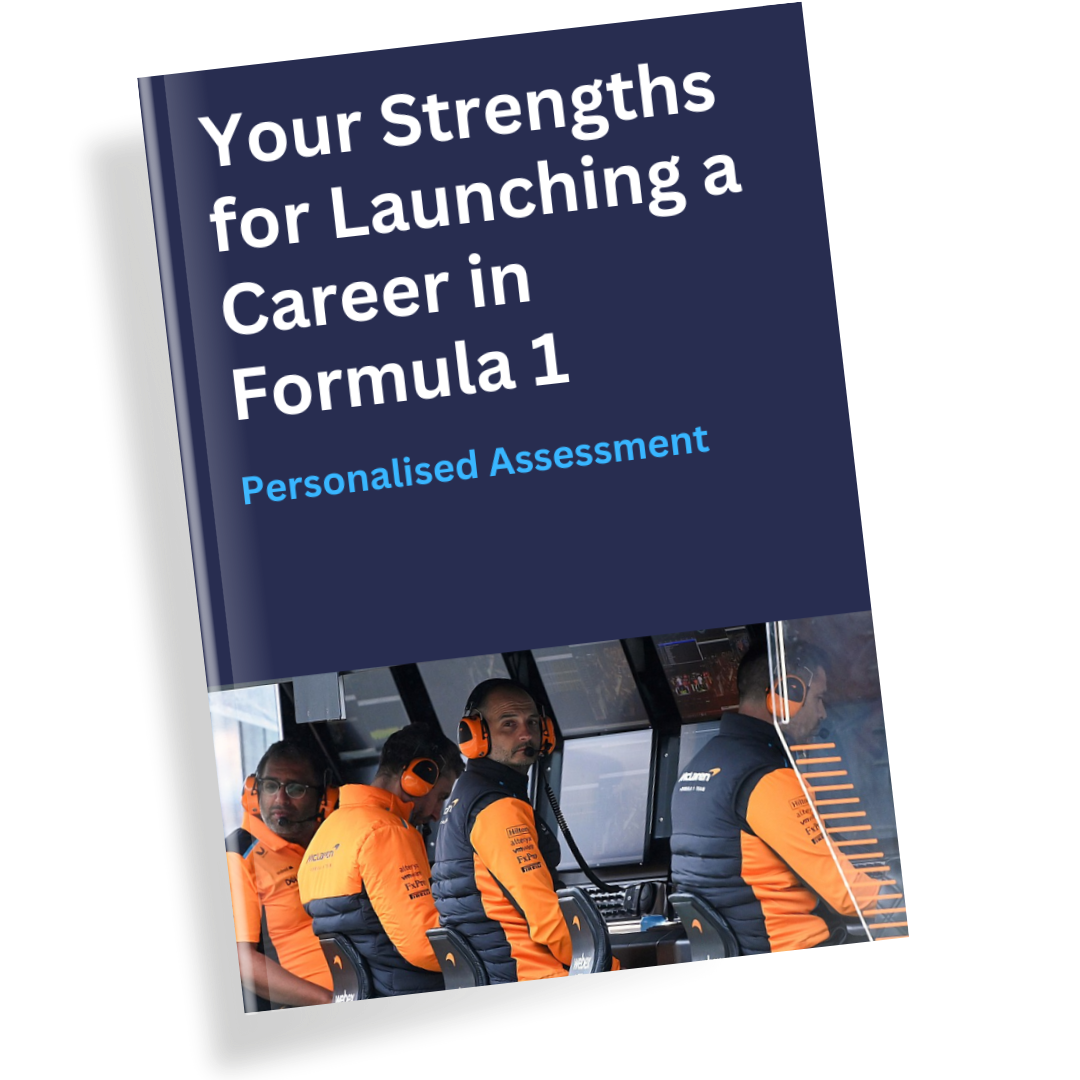
This role keeps a world-championship-winning F1 team running. When equipment fails, races can be lost, so your work directly impacts performance. You'll develop deep expertise in high-spec facilities and have clear progression into senior facilities management roles. The F1 environment means you'll work with cutting-edge building systems and learn from the best in the industry.